

Why Clear Roles Reduce Conflict More Than Good Intentions
When conflict shows up on a team, the instinct is often to look at the people involved. How are they communicating? Are they listening? Are they being respectful? Those things matter, but they’re usually not the root of the issue. More often, conflict is structural....

Most Leadership Problems Are Design Problems
If you’ve been around me for a while, you know I am fond of saying “all organizational problems are people problems.” And that’s true because people are usually the source of the issue. But that alone is a superficial explanation. What lies below those problems? What...

The Difference Between Psychological Safety and Comfort
Psychological safety is one of the most widely discussed leadership ideas today — and one of the most misunderstood. At least in my humble non-psychologist opinion. Many leaders hear the phrase and assume it means keeping people comfortable, reducing tension, or...

What Fear Sounds Like in Meetings (And How Leaders Miss It)
Most leaders think fear would be obvious: tense conversations, visible anxiety, loud disagreement. In reality, fear is much quieter than that. It’s more like a person drowning. Unlike in the movies, when someone is truly in danger in the water, they don’t yell or wave...

Why Defensiveness Feels Like Strength to Leaders
One of the hardest habits for leaders to notice in themselves is subtle defensiveness. Not the obvious kind — the raised voice or the visible frustration. The subtle kind. The quick correction. The immediate explanation. The instinct to prove that the criticism isn’t...

Fear Is a Terrible Management Strategy (Even When It Works)
Most leaders would never admit they lead through fear. But fear shows up in leadership more often than we realize. It hides behind confidence, decisiveness, and the need to always look certain. It shows up when leaders rush decisions, correct ideas obsessively, or...
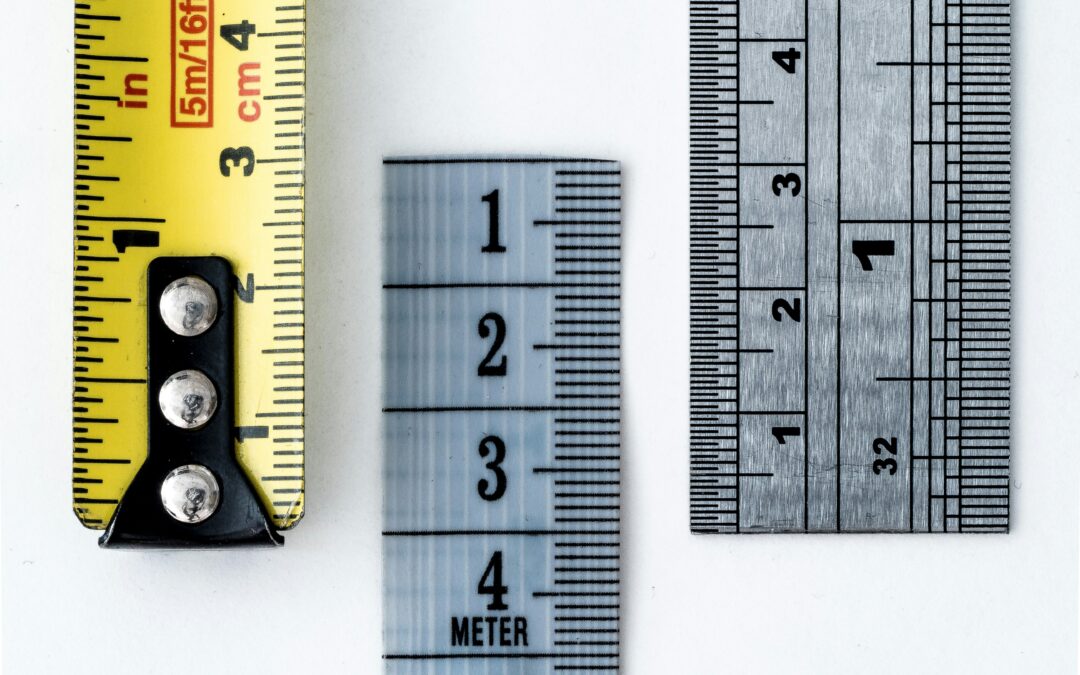
What Leaders Miss When They Only Measure Outcomes
Most leadership dashboards are outcome-heavy — revenue, delivery timelines, utilization, performance metrics. These matter. They should be tracked. As the saying goes, “what gets measured gets achieved.” But when leaders only measure outcomes, they often miss the very...

Trust Isn’t Built in Big Moments — It’s Built in Small Responses
Leaders often assume trust is built during the big moments — the major decisions, the visible wins, the high-stakes conversations. Those moments matter. But they are not where trust is primarily formed. Trust is built — or eroded — in the small, everyday responses...

The Cost of Making Everything Urgent
Most leaders don’t create urgency on purpose. They inherit it. They react to it. They amplify it without realizing what’s happening inside the system around them. But over time, something predictable begins to occur: when everything feels urgent, people stop believing...

Why Smart People Stop Speaking Up
One of the most common leadership questions I hear sounds something like this: “Why doesn’t anyone bring things to me anymore?” What makes this question so confusing is that it’s usually asked by capable, intelligent, well-intentioned leaders. Leaders who value...
