
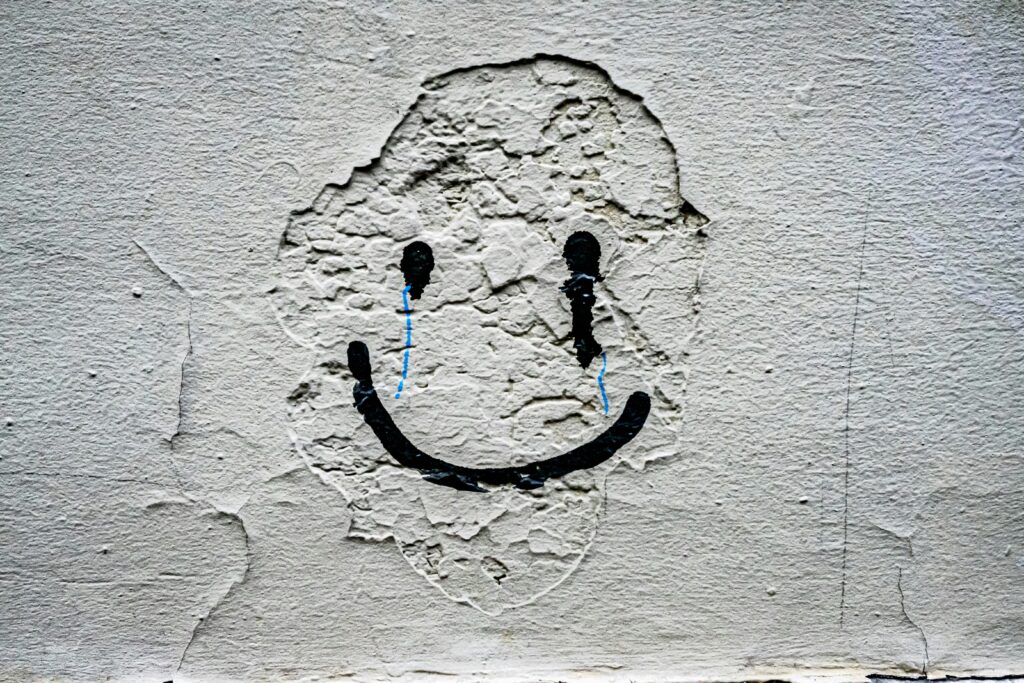
There’s a version of confidence that looks exactly right from the outside.
It’s decisive. It doesn’t waver. It projects certainty in situations where certainty is reassuring. It doesn’t ask too many questions, doesn’t invite too much debate, doesn’t leave a lot of room for doubt.
And it’s often not confidence at all.
What gets performed as confidence is very often its opposite — fear that has learned to dress well.
I’ve talked with countless leaders who describe themselves as not afraid of anything. And I believe they mean it. They’ve built an identity around being unshakeable, and that identity has served them in certain ways. It’s gotten them into rooms. It’s helped them project authority.
But here’s the thing I’ve noticed: the leaders who are most insistent that they fear nothing are often the ones most afraid of being seen as limited. They’ll drive themselves to exhaustion before they’ll admit a boundary. They’ll maintain a position they no longer believe in rather than risk looking uncertain. They’ll shut down the very conversations that might make them more effective, because those conversations might also make them look like they don’t have all the answers.
The thought of being perceived as weak or fearful is itself a fear. Which means the performance of fearlessness is, at its core, fear-driven.
This creates a specific kind of damage in organizations.
When leaders perform confidence rather than inhabit it, the people around them learn something. They learn that questions are unwelcome. That uncertainty is a liability. That the way to succeed in this environment is to project the same kind of polished certainty, whether or not it reflects what they actually think.
And slowly, the room fills with performances. Everyone looks confident. No one is saying what’s true.
Real confidence is quieter and more durable than its imitation. It can tolerate disagreement. It can say “I don’t know” without collapsing. It can change position when the evidence calls for it without treating that as a defeat.
Real confidence doesn’t need to shut the conversation down because it isn’t threatened by it.
The most confident leaders I know are also the most genuinely curious ones. Not because curiosity is the absence of conviction — but because real conviction doesn’t need to protect itself.
If you want to know the difference between real confidence and its performance, watch what happens when someone pushes back.
Real confidence gets curious.
The performance gets defensive.
Photo by ALEXANDRE DINAUT on Unsplash
